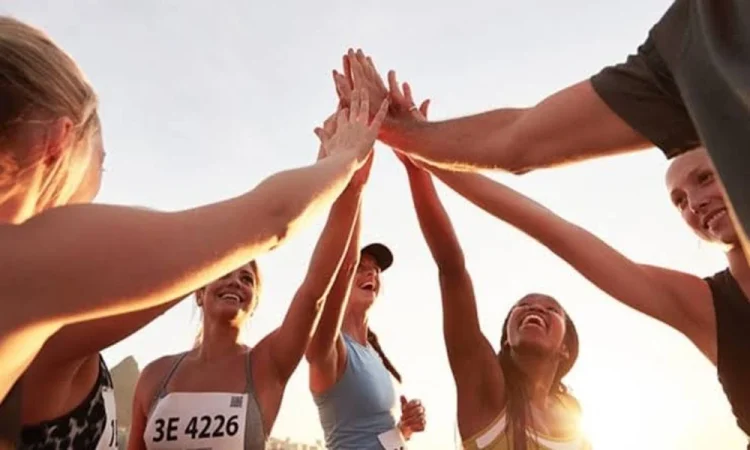
The activities of sports groups provide a dynamic mechanism of enhancing team collaboration. They establish an environment in which the colleagues are able to communicate even when they are not in office set ups. This guide is about how Sportieve groepsactiviteiten enhance collaboration in the workplace. There is trust enhancement and communication is enhanced with active participation.
Explains how sports group activities can enhance collaboration among colleagues
Breaking down communication barriers
Sports activities provide an informal setting in which hierarchies are broken and communication natural. Workers who do not interact with one another at work are forced to plan and cheer each other as they play. This enhances communication, which usually is taken back to the office and thus teamwork is easier. Improvements in communication through sports activities:
- Removes hierarchical workplace barriers effectively: Physical activities even the playing field and open communication and interaction across all staff levels are encouraged during the event.
- Encourages non-verbal communication skills: Team sports involve reading body language and responding automatically to teammates in a situation on the field.
- Creates shared language and inside jokes: Experiences are special and provide coworkers with ties that will last longer than the experience.
- Improves active listening during challenges: Team sports entails the skill of comprehending the body language and responding to circumstances instinctively.
Building trust through shared challenges
Effective collaboration is built on trust, which can best be built in sports activities. Colleagues prove to be reliable and competent when they are able to rely on their colleagues to finish a relay or solve a problem. This common ground brings about a sense of trust which enhances working relationships. Trust-building elements include:
- Overcoming physical and mental challenges together: Students will have to think and support each other in planning activities such as obstacle courses.
- Supporting each other through failure: Learning to cope with loss with others makes you tougher.
- Creating a safe space to be vulnerable: The physical activities enable team members to reveal a different image of themselves.
Boosting morale and reducing stress
Exercise has been shown to help reduce stress and mood, something that is favourable to the morale of the workplace. Team building is a fun, active day off which helps the team members to rejuvenate and come back to work with dynamic powers. This favorable experience leads to increased job satisfaction and engagement. Morale-boosting factors include:
- Releases endorphins and improves mood: Exercising will relieve stress and leave a person happier.
- Provides a break from daily routines: Alters the environment and the activity of routine is restorative to the mind.
- Shows employees they are valued: An effectively planned outing shows how much they are appreciated.
Conclusion
Sports group activities are an effective means of reinforcing collaboration at work place. They dissolve communication boundaries, generate trust and boost problem solving. These also lead to morale building and developing a favorable, sustainable team culture. Any investments on sports team building are investments in the long term success of the team.